The useful thing about an analog sports car is not that it is old. It is that the driver's work remains part of the experience. A deliberate shift, a pedal that responds predictably, a steering wheel that communicates a change in load: these are reasons to enjoy a car before anyone starts comparing acceleration figures.
“Analog” is an enthusiast's description, not an engineering certification. There is no agreed production year when sports cars crossed a line and became digital. A car can have electronic fuel injection, anti-lock brakes and a good infotainment system while still making its driver feel involved. The question is what the controls communicate, and how consistently they respond.
A better job for lightness
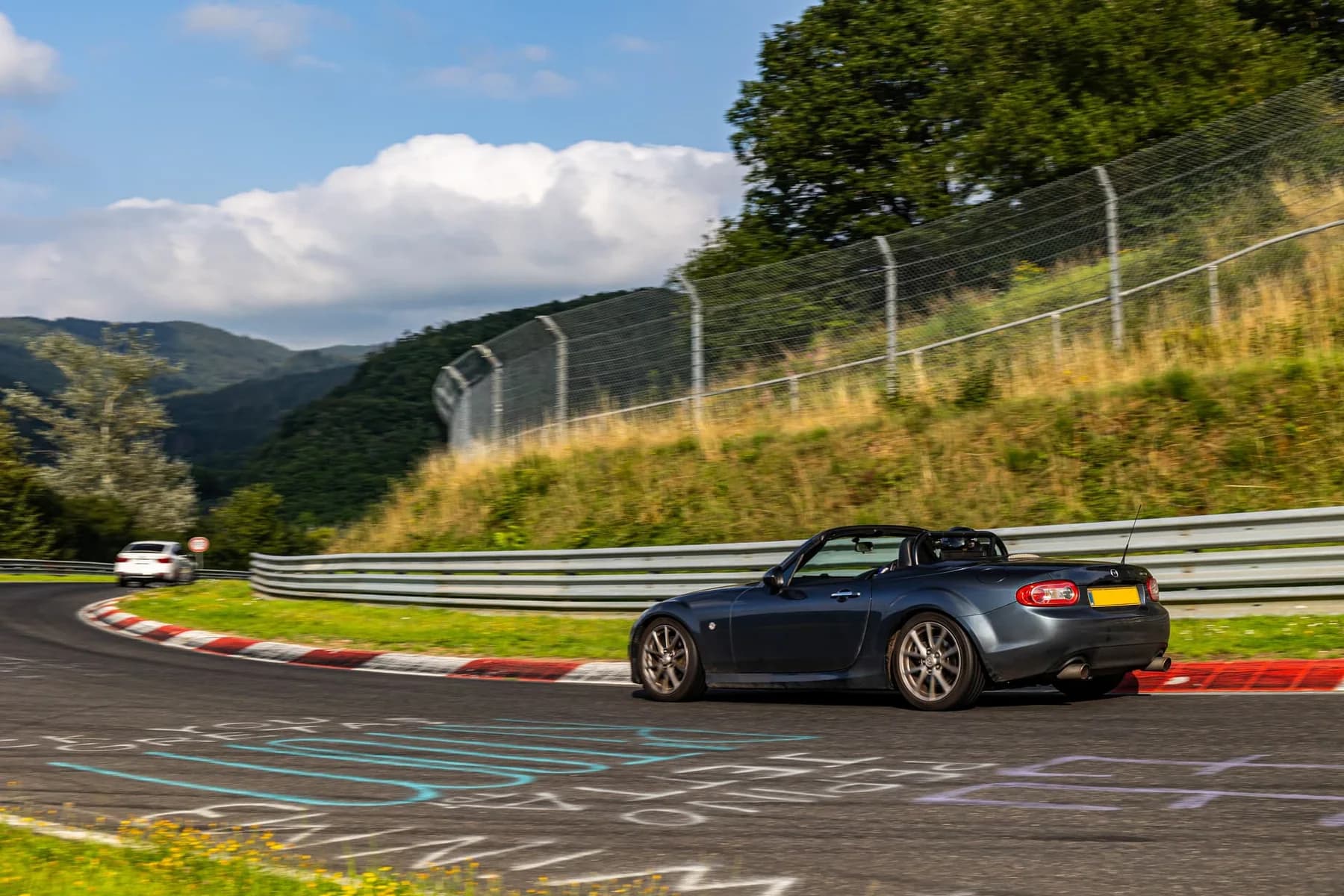
Mazda's MX-5 is a useful reference because its purpose was explicit. Introduced in 1989, it developed around the idea of Jinba Ittai, the connection between rider and horse. Mazda's own history describes a lightweight sports car whose character did not depend on remarkable engine output. That is a design brief, rather than proof that every generation or example feels identical. Mazda's development history
Our view is that a modest performance envelope can be part of the attraction. A driver can enjoy the timing of a gear change without needing a spectacular speed afterward. The reward is in carrying out the action well. That is a different thing to buying a slower car simply because it is cheaper.
Communication needs maintenance
Age does not automatically produce feedback. A loose steering joint is not character. A tired damper is not a supple factory setup. A vague gear linkage is not an invitation to romanticize the decade it came from.
This matters when shopping for an older car. Establish its condition before judging its personality: tires, alignment, bushings, dampers and control linkages all belong in that conversation. Ask a specialist familiar with the model to distinguish wear from the way the car was designed. A short drive in a neglected example can tell you more about its maintenance history than its engineering.
Nor does a manual gearbox guarantee a good experience. Pedal position, clutch operation and gearing have to suit the driver and the intended use. A transmission you dislike in daily traffic does not become the right choice because a forum calls it the authentic one.
Modern does not mean detached
The definition becomes more useful when it leaves room for newer cars. Mazda describes the original MX-5 philosophy as something carried forward through successive redesigns, with weight and balance remaining development priorities. Electronics and an understandable driving experience are not mutually exclusive. Mazda's twentieth-anniversary history
Judge the complete car. Can you find the controls without searching a screen? Is the driving position comfortable? Do the brakes and throttle respond in a way you can predict? Can you enjoy an ordinary journey, within ordinary road limits?
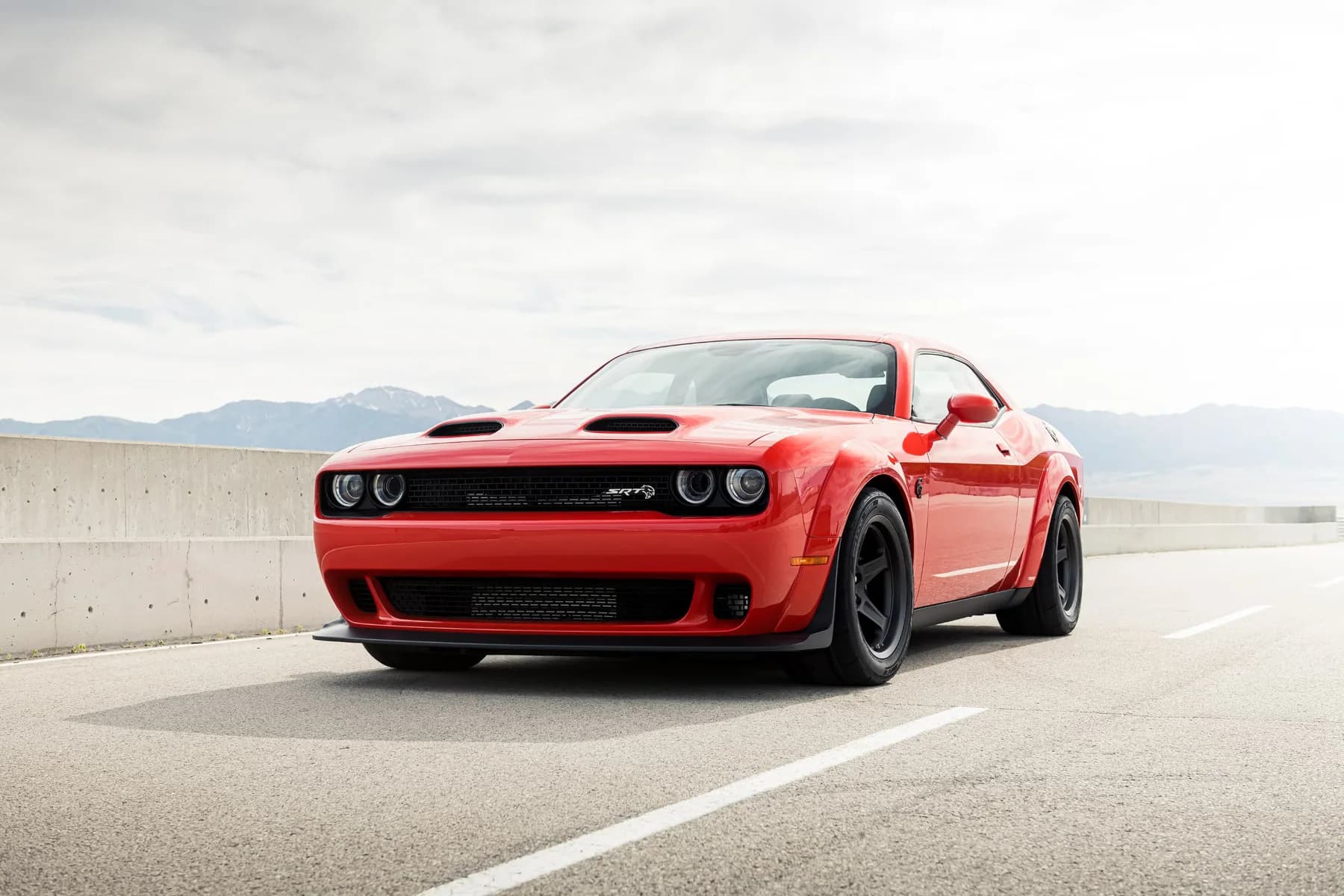
Those questions leave space for an old roadster, a modern coupe and a well-sorted daily driver. The analog sports car still matters because involvement is a worthwhile design goal. The calendar, on its own, tells you very little.
Updated September 5, 2026.