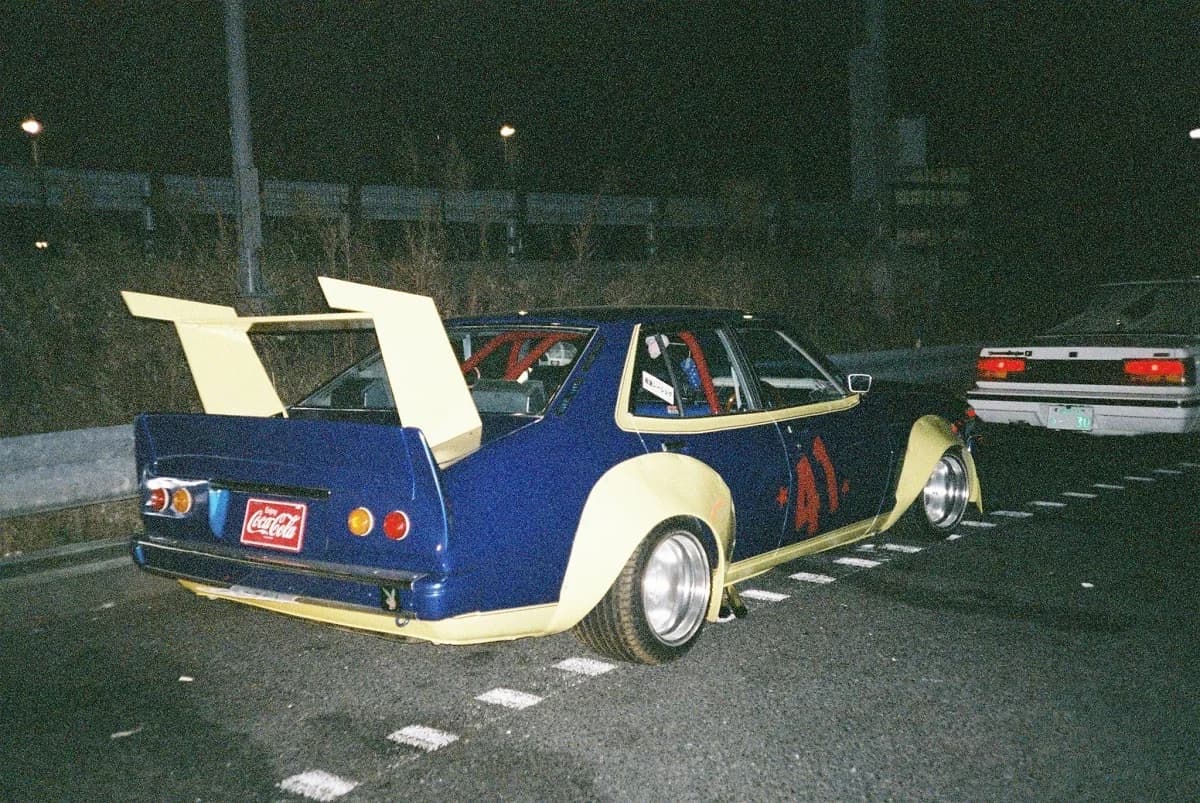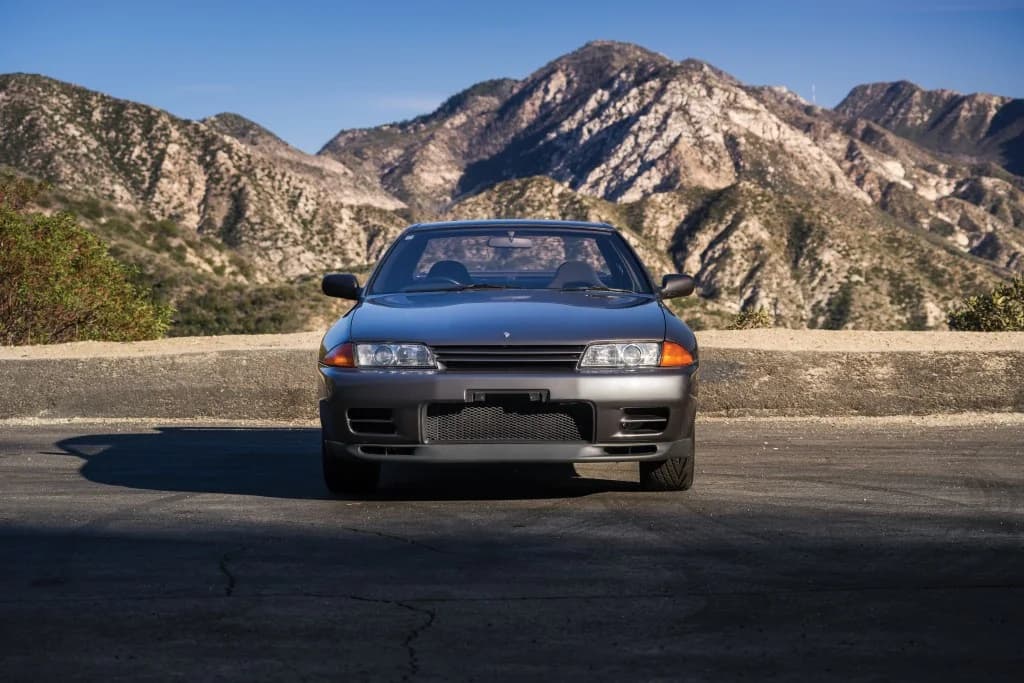
An R32, R33 or R34 can look complete in a listing long before you know what you would be buying. The right paint, wheels and stance tell part of the story. The next step is to connect that image to the car's identity, condition and paperwork.
This guide is written for a prospective US buyer. Arrange an independent inspection and confirm the applicable requirements before paying a deposit or arranging shipment.
Match the identity across the file
Compare the chassis identification on the car with the export, ownership and import documents. Ask for clear photographs and have a specialist investigate discrepancies. A missing record is an unresolved question; it is not proof of a particular explanation.
If an auction sheet is available, obtain a competent translation and check its provenance. Use the issuing auction's grading key. Symbols and inspection practices should not be assumed identical across every auction, and a sheet is a historical observation rather than a current mechanical inspection.
Separate federal eligibility from registration
NHTSA's 25-year provision concerns the federal vehicle safety standards it administers, with age measured from manufacture. It does not settle every other import requirement. Verify the build date and supporting documentation for the specific car. NHTSA import FAQs.
EPA requirements are separate. Its guidance on vehicles over 21 years old discusses engine equivalence to the original model and configuration. An engine-swapped car needs particular care; consult EPA or an appropriately qualified import specialist about the actual vehicle. EPA import guidance.
Ask the registration authority where you will keep the car what title, inspection and emissions documentation it requires. Get an insurance quote using the actual chassis identification and declared modifications. An attractive listing or an existing title elsewhere is not a substitute for those answers.
Put the car on a lift
Ask the inspector to assess structural corrosion, previous repairs, mounting points, fluid leaks and the condition of the running gear. Include the areas hidden by body kits and underbody coatings. Request photographs of findings, especially where a repair estimate depends on further investigation.
Have the workshop choose the appropriate engine checks and interpret the results. A compression number needs a test method and context. It also cannot answer every question about cooling, lubrication, wiring or the rest of the vehicle.
Document the modifications
Collect the ECU and calibration information, required fuel, boost-control hardware and supporting parts. Ask who installed and tuned the package and whether that business can still support it. Record what is unknown rather than treating a parts sticker as a specification.
Test the ordinary equipment too: lighting, windows, climate control, instruments and locks. Price the faults you would want repaired and confirm parts availability with suppliers before assuming a replacement is easy to obtain.
Build a budget from findings
Use the inspection to separate immediate repairs, scheduled maintenance and optional changes. Obtain current quotes and allow for transport, applicable fees and downtime. Keep room for unresolved findings until they can be investigated.
The best purchase is the car whose condition and documentation support your plan. Give the inspection enough time to change your mind before the car becomes your responsibility.
TUNERS buyer checklist. Import and registration requirements vary by vehicle and jurisdiction; source links were checked September 5, 2026.
Updated September 5, 2026.