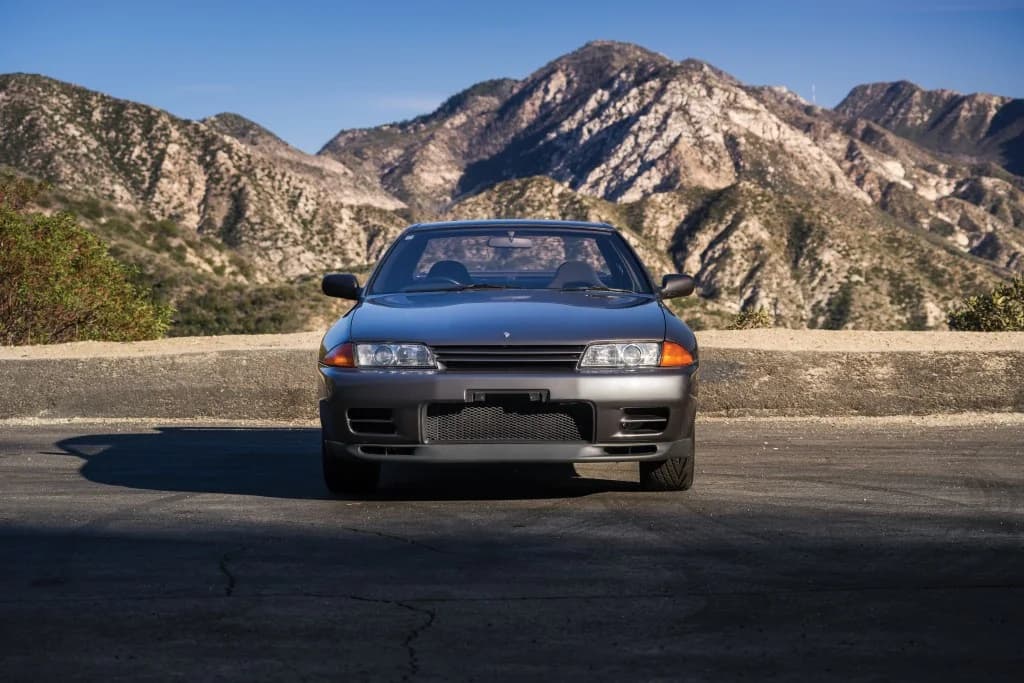
An FD belongs in the launch lineup for its shape alone: low nose, curved glass and bodywork that can carry a purposeful wheel-and-aero package without losing its identity. Owning one starts with understanding the car behind that photograph. A rotary inspection and a written plan make a better foundation than either the engine's mythology or its worst internet reputation.
Know which FD you are discussing
Mazda introduced the third-generation RX-7 in December 1991 with a two-rotor 13B and sequential twin turbocharging. Its history describes a front-midship layout and extensive weight-saving work. The factory starting point was a complete chassis and engine package. Mazda's model history.
Specification also changed within the generation. Mazda's October 2000 Japanese release lists the 13B-REW at 255, 265 or 280 PS depending on model and transmission. Identify the market, year and variant before attaching a factory power figure to an FD, then document any modifications separately. Mazda's 2000 RX-7 range announcement.
Ask for a compression report you can interpret
Racing Beat describes cranking compression as a useful indication of seal condition while emphasizing that the test is not infallible. Engine temperature, cranking speed and liquid around the seals can affect the reading. That makes an unexplained number in a sales listing insufficient for a buying decision. Racing Beat's rotary compression guidance.
We would commission a rotary specialist to perform the test and retain the results for each rotor face, the recorded speed and the test conditions. A dedicated tester supplier's report form provides spaces for the three face readings per rotor and values corrected to 250 rpm. Ask the inspecting shop which specification and procedure apply to the particular engine. Rotary Compression Tester report form.
A result that needs investigation should lead to further diagnosis and a written estimate. Declining a test leaves an uncertainty; it does not, by itself, diagnose a failed engine. A good result also leaves the rest of the vehicle to inspect.
Read the whole build
Our inspection brief would include body repairs, wiring, leaks, cooling equipment and the documented turbo-control arrangement. Ask which work restored the original system and which work changed its operation. Keep the ECU and calibration details with the installed hardware list.
For a modified engine, get the builder's lubrication, fuel and maintenance requirements in writing. Do not adopt another owner's oil-metering changes, premix routine or service intervals without establishing what is fitted to this car. If the seller cannot explain a modification, price the work needed to identify and assess it.
Separate three budgets
First comes the purchase and inspection budget. Second is the work required before you begin using the car as intended. Third is the visual and performance build: wheels, suspension, bodywork and any planned engine changes.
Request an itemized engine-work estimate if inspection findings justify one. Ask whether it includes removal, disassembly, replacement of unserviceable parts, reinstallation, calibration and follow-up. The scope should determine the comparison between quotes. A single universal rebuild price would hide those differences.
We would retain a contingency and agree in advance which findings require another decision. Spending the whole budget on the initial car leaves every later choice harder to make.
The FD feature we want is specific: the owner's brief, the setup, the work that made it function and photographs of the actual finished car. Its rotary deserves informed attention without invented failure percentages or promises of effortless ownership.
Editorial ownership planning; no universal rebuild interval, compression threshold or price estimate is supplied. Updated September 8, 2026.