A spectacular crash can make safety equipment look miraculous. The work behind it is usually less dramatic: material tests, careful installation, revised standards and another round of testing.
No device makes racing harmless. These eight developments matter because they address different parts of an accident, and because their protection depends on the rest of the system working too.
1. Better fuel containment
A competition fuel system must do more than deliver fuel under cornering load. Its tank, connections and installation also have to manage the consequences of an impact.
Safety fuel tanks are therefore covered by specific approval requirements. A label on one component does not certify the installation around it. The FIA's homologation lists show how fuel tanks sit alongside other separately tested safety equipment.
2. Protective clothing as a complete set
A race suit is one layer of protection. Underwear, gloves, footwear and the other specified items matter as well.
The FIA's clothing guidance describes protection against heat and flame, and explains why condition, fit and care are part of that performance. Damaged or improperly altered clothing can compromise the intended protection. A brand name or a thick-looking suit is not a replacement for the applicable approval. FIA protective-clothing guidance sets out the system.
3. The carbon-composite survival cell
McLaren's MP4/1 brought a carbon-composite chassis into Formula 1 in 1981. Its significance was the combination of stiffness, strength and weight, applied to a structure around the driver.
That history does not mean any carbon structure is automatically safe. Layup, joints, design and testing determine how the part behaves. McLaren's MP4/1 history documents the development.
4. Defined tests for defined structures
A statement that a car is strong is less useful than a specified test. Impact and load requirements make safety performance something that can be assessed before competition.
Requirements vary by championship; it would be wrong to claim every racing category conducts the same destructive tests. The FIA's 2026 Formula 1 overview gives examples of revised impact and roll-structure requirements in one series.
5. Frontal head restraints
A frontal head restraint controls relative movement between a helmeted head and the restrained torso in relevant impacts. The HANS system became an important part of that development, with Formula 1 making it mandatory in 2003.
Its effectiveness depends on compatibility and correct use with the helmet, tethers and harness. The FIA's account of HANS explains the development without suggesting that one device addresses every injury mechanism.
6. Seats and harnesses treated together
The seat supports and positions the driver; the harness restrains them. Mountings, belt routes and the surrounding structure determine whether those components can do their jobs.
The FIA maintains separate standards and technical lists for these parts. For an owner preparing a competition car, that makes the rulebook and the manufacturers' installation instructions more useful than copying a photograph from another build.
7. Energy-absorbing track barriers
The SAFER barrier combines steel elements and energy-absorbing foam to manage impact with a track wall. Its development brought the University of Nebraska–Lincoln's Midwest Roadside Safety Facility together with motorsport partners.
The important idea is controlled energy management at the track boundary, alongside the car's own protection. The facility's SAFER history documents that work.
8. Additional cockpit protection
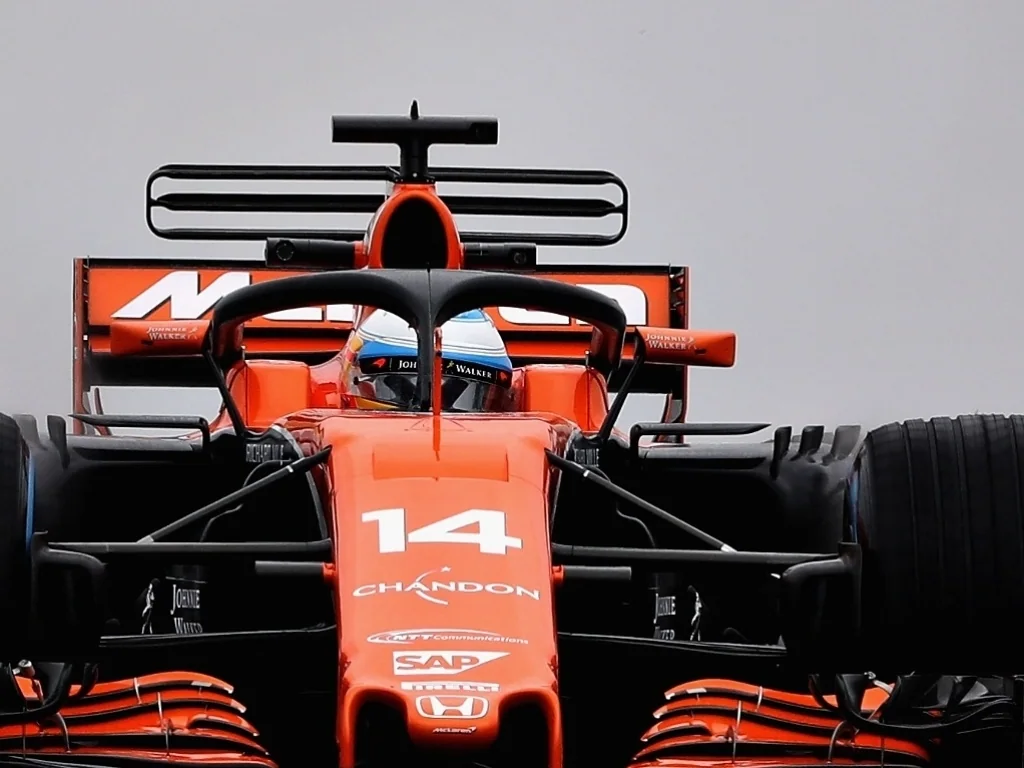
Formula 1 introduced the halo for 2018 after a research and testing program examining frontal cockpit protection. The structure addresses hazards that the survival cell alone cannot keep away from an exposed cockpit.
The FIA's explanation of the halo research is a reminder that appearance was never the deciding engineering question.
These advances work alongside marshals, rescue crews, medical teams and operating procedures. Safety is maintained through that continuing work, not settled by a single invention or a claim that fatalities have ended.
Updated September 5, 2026: replaced unsupported fatality claims and universal requirements with eight clearly defined, sourced developments.