“JDM” is useful shorthand until it starts doing three jobs at once. It can describe a Japanese domestic-market specification, an interest in Japanese performance cars, or a visual style adopted by a builder anywhere in the world. Those meanings overlap, but they are not identical.
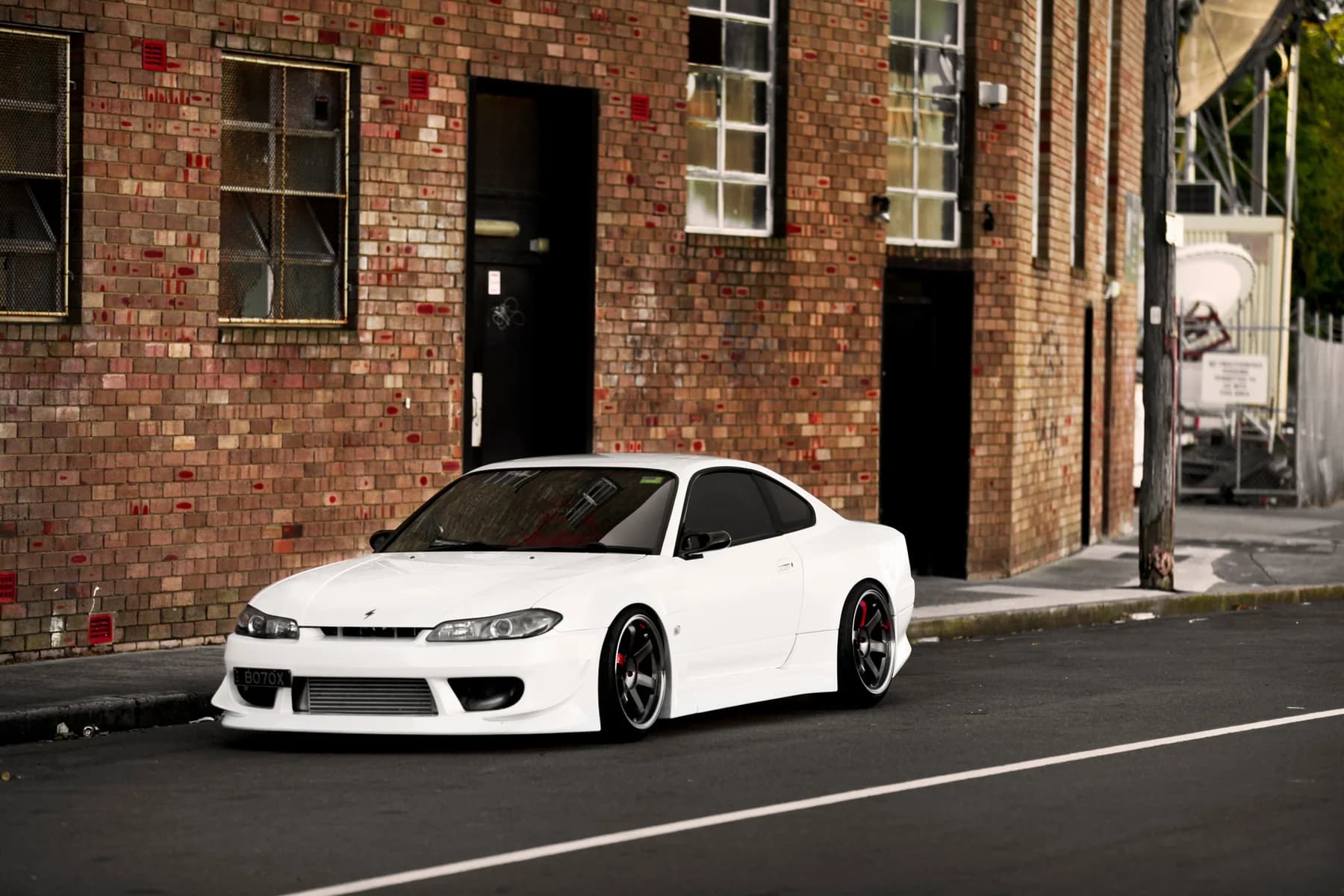
An export-market Japanese car does not become a domestic-market model because it wears a Japanese wheel brand. It can still belong completely within the wider enthusiast scene. Getting the vocabulary right makes it easier to appreciate what an owner actually built.
The scene was never only one thing
Tokyo Auto Salon traces its beginnings to the Tokyo Exciting Car Show in 1983, created to bring custom-car culture to a wider audience. Its history describes a show that grew from tuning and dress-up businesses to include manufacturers and international exhibitors. The show adopted the Tokyo Auto Salon name in 1987. The organizer's history
That is a useful corrective to a narrow picture of Japanese car culture. Performance modifications, appearance, commercial development and enthusiast expression have shared the same space for decades. A tidy street car and an extravagant show build need not be competing for the same definition of success.
Learn the car behind the reputation
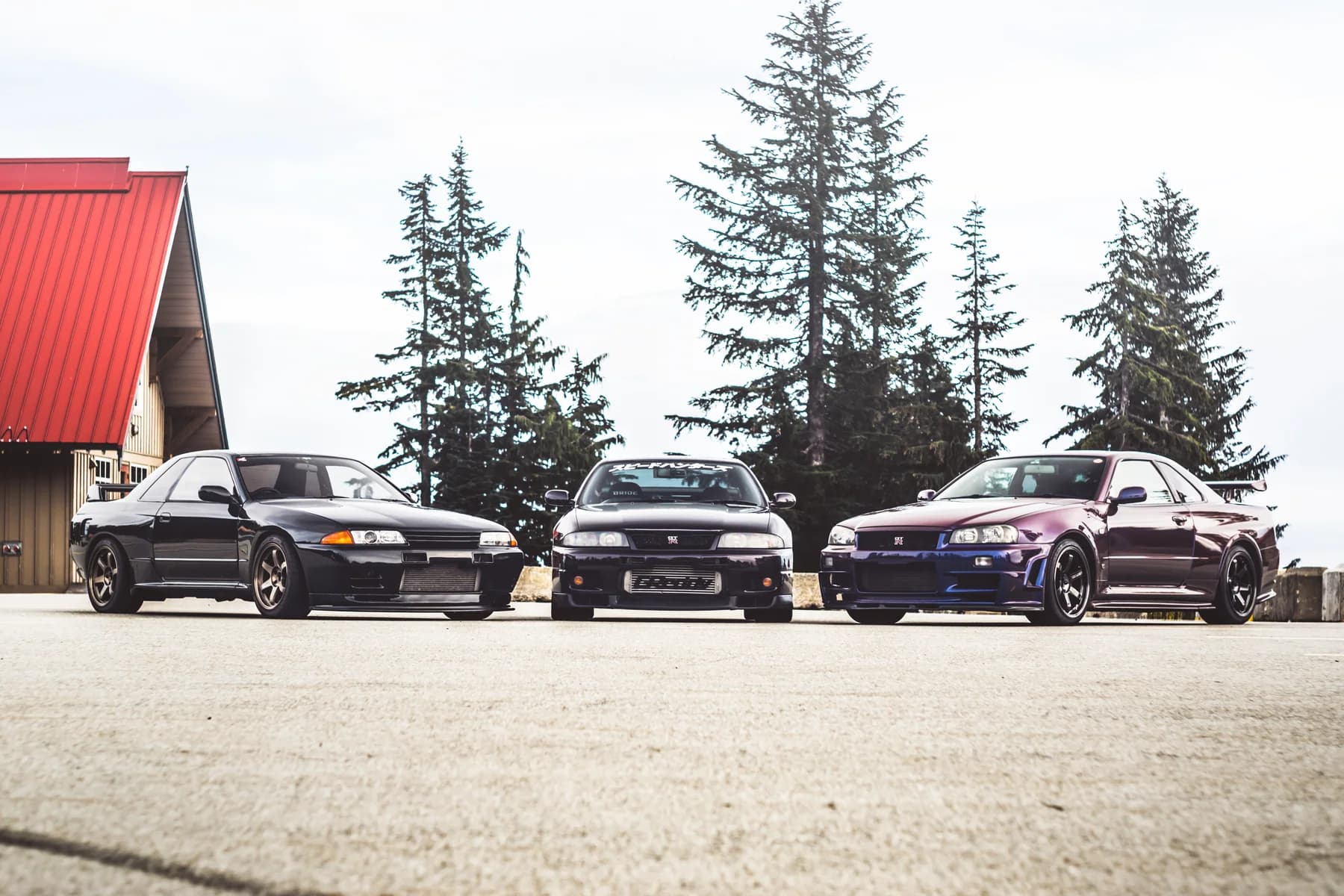
The R32 Skyline GT-R provides a concrete example. Nissan's heritage record identifies the 1989 BNR32 with a 2.6-liter RB26DETT twin-turbo inline-six and electronically controlled ATTESA E-TS four-wheel drive. It also records 29 Japanese Touring Car Championship victories from 1990 through 1993. Those details explain a particular car's place in the story more clearly than a generic “JDM legend” label. Nissan's BNR32 record
Use the same approach with any platform. Identify its generation, market and original specification. Then separate the manufacturer's engineering from the changes made by owners and shops. A dyno result belongs to the tested configuration; it is not a promise attached to every engine with the same code.
A global culture can keep its sources
An enthusiast in California, London or Sydney can participate without pretending to have discovered the scene. Credit the builder. Link the original feature or owner thread. Name the wheel, kit or fabrication work accurately. If a specification is not documented, leave room for the owner to supply it.
That standard matters especially for photographs. An image circulating through repost accounts can lose the identity of the person who made the car and the photographer who documented it. Finding those people is part of understanding the build, not just an administrative detail before posting it.
Our view is that the healthiest version of this culture makes curiosity more important than gatekeeping. A newcomer asking why a particular part was chosen deserves an explanation. A builder trying something unfamiliar deserves to have the work understood before it is dismissed.
What comes next
There is room for careful preservation and for cars intended to change. The useful distinction is whether the decisions are informed and the result is honestly represented. Neither an untouched catalog specification nor an expensive modification list automatically makes a car meaningful.
Start with the exact car, the people responsible for it and the choices they made. The wider culture becomes more interesting once “JDM” is the beginning of the conversation, rather than its entire description.
Updated September 5, 2026.