Safety gear gets bought once and then forgotten, which is how drivers end up failing tech inspection at their first competition. Inspectors are not judging the brand. They read standards, labels and dates. Formula Drift's 2026 rules make a useful reference because largely the same driver-equipment requirements appear in its PRO and PROSPEC regulations and in its PRO/AM safety regulations, which set a baseline for every affiliate series in North America.
Helmets: the letters before the year
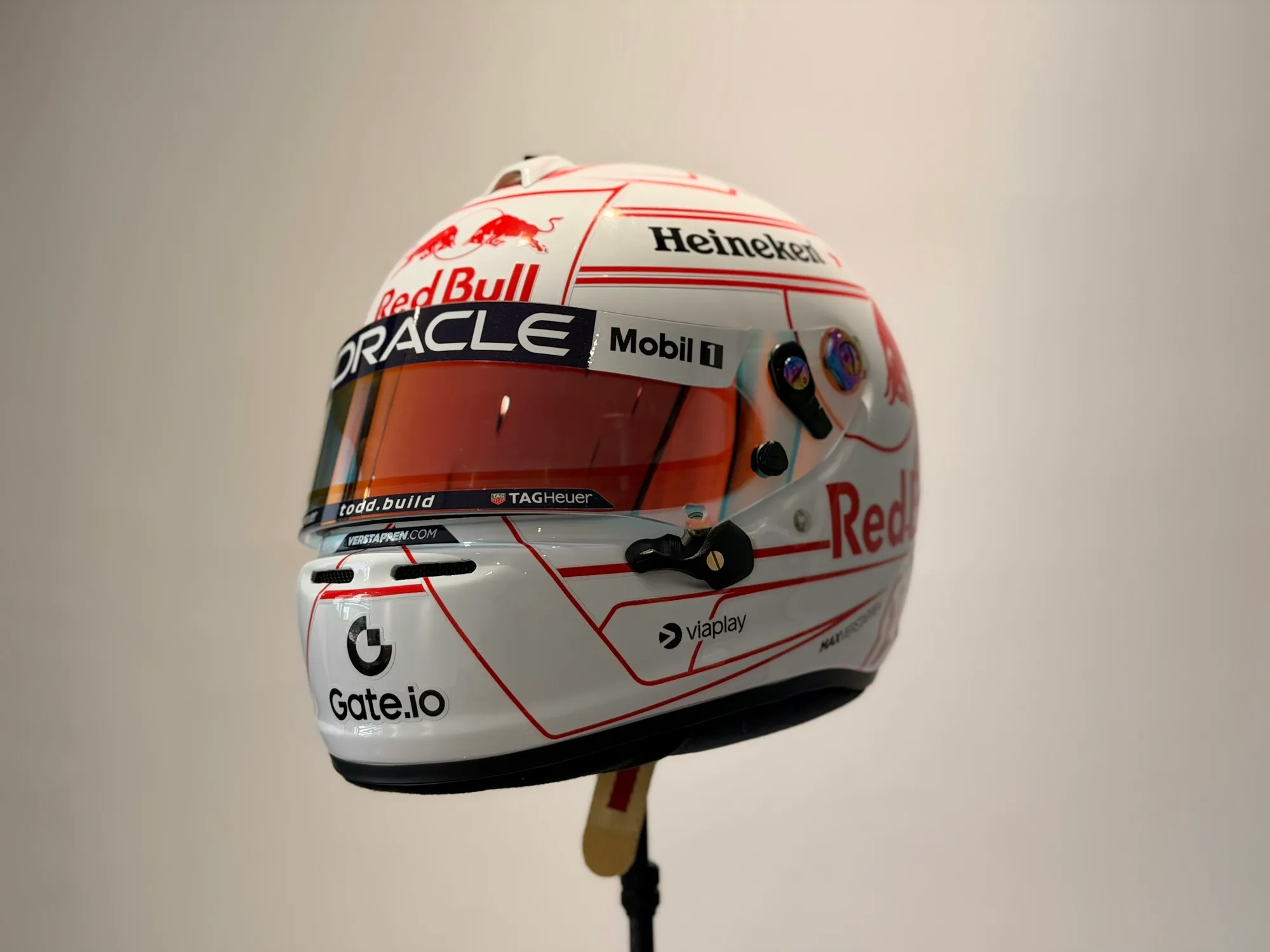
Formula Drift accepts full-face helmets certified to Snell SA2020, SFI 31.2A, or FIA 8860-2010, 8859-2015 or 8860-2018, worn with the visor closed and the chin strap fastened on track. The PRO/AM rules also ban helmet-mounted cameras.
The letters matter as much as the year. Snell writes separate standards for auto racing (SA), motorcycling (M) and karting (K), and SA certification includes a flammability test that the M and K standards do not. Snell recommends replacing a helmet after five years of normal use, and after any impact while it was being worn, and it observes that organizers usually require the current or immediately previous standard. Snell's newest automotive standard is SA2025. Formula Drift's 2026 list names SA2020 only, so confirm with your organizer before assuming a newer label is accepted.
Seats and harnesses: two different clocks
Driver seats must be FIA-homologated to 8855-1999, 8862-2009 or 8855-2021, with halo-style side head protection, and Formula Drift treats an FIA seat's usable life as five years from the manufacture date on its label, which must stay visible. The FIA publishes its homologated seats, harnesses, helmets and head-and-neck devices in technical lists, the place to confirm that a part is genuinely approved.
Harnesses must be five- or six-point systems certified to SFI 16.1 or 16.5, or homologated to FIA 8853/98. The SFI Foundation gives both of its harness specifications a two-year recertification period. FIA belts run on a different clock: Formula Drift's rules give them five years plus the rest of the year of purchase, expiring on December 31 of the year printed on the tag.
The date is not the only trigger. The same rules require a harness to be replaced after cut or frayed webbing, bent or cracked buckles or a severe impact, and they let the competition director cut the certification labels off a belt that fails. Shoulder straps must be separate, mounted no more than 12 inches behind the seat back and within 20 degrees below horizontal.
Neck restraints, suits and fire systems
A head-and-neck restraint certified to SFI 38.1 or FIA 8858 is mandatory on track. SFI 38.1 devices need manufacturer recertification every five years from the date on the label; FIA 8858 devices do not, but the date on the tether must be no more than five years old. SFI's five-year 38.1 period took effect in 2012.
Suits must be one-piece and certified to SFI 3.2A/5 or higher, or to FIA 8856-2000 or 8856-2018, with gloves, shoes and socks to SFI 3.3/5 or higher or FIA 8856, and all of it free of holes and tears. SFI lists no recertification period for 3.2A/1 through 3.2A/5 suits, so condition sets the limit.
On-board fire systems must appear on FIA Technical List No. 16 or meet SFI 17.1, and must be serviced and recertified every two years, with the next check date shown on the bottle. SFI also lists a six-year maximum service life for 17.1 systems. In PRO and PROSPEC, a system that has expired since 2025 must be replaced with a pull-cable-actuated unit of at least 10 pounds capacity with four nozzles.
A label audit before you enter
The useful habit is a short audit before every season. Photograph each label, write down the standard and date, and set reminders for the two-year items, such as SFI harnesses and fire-system service, and the five-year ones, such as SFI 38.1 recertification, FIA seats and belts, and helmets in regular use. Then read the rulebook for the specific event, because affiliate series write their own technical rules beyond the safety baseline. Gear that expired a few months ago fails inspection the same way as gear that never qualified.